Quick Answer: When Is Roof Repair an Emergency?
Roof repairs are urgent in case there is active water penetration in the building, extensive missing roofs, storm damage, extensive damage, damage to the roof openings, falling roofs, or anything else that could be considered a danger. Water leaking into your home is an urgent matter. A roof with a gaping hole or an area missing is an urgent matter. Other matters that have no leak can wait until regular business hours.Water Is the Real Emergency
A tiny hole in your roof will create big trouble for you because water will penetrate the ceilings, stains the walls, damages insulation, warps the wood, and affects electrical fixtures. Preventing water infiltration will limit damage. This is the reason why immediate response to an emergency starts from protecting first, followed by the complete fixing of the problem.Signs You Need Emergency Roof Repair
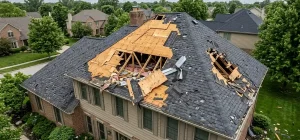
Not every roof problem needs a midnight call. But some signs mean you should act fast. Active water inside the home. An emergency roof leak with dripping or flowing water needs immediate attention. Place buckets under safe indoor drips and move valuables away from the wet area. Large areas of missing roofing. If you see big sections of shingles or metal gone, the roof deck may be exposed. This can allow heavy water entry and should be treated as urgent. Severe storm damage. High winds, fallen trees, or hail can create dangerous conditions. If the roof looks badly damaged from the ground, call a professional. Major structural concerns. Sagging ceilings, visible roof dips, or cracked rafters can signal serious issues. Keep people away from the area and seek help quickly. Damaged roof opening. A hole around a vent, chimney, or skylight can let in rain and debris. This often needs fast temporary protection. Falling roofing materials. Loose shingles, flashing, or tiles that are dropping create a safety hazard. Limit access below and arrange for repair. When you notice these signs, contact a qualified roofing professional. If the situation feels unsafe, prioritize safety and wait for experts.Do Not Climb Up Just to Take a Look
Seeing the damage first hand seems like a normal reaction. However, a wet or storm damaged roof is hazardous. It is slippery, unstable and there may even be hidden damage that will collapse under pressure. There could also be debris falling and power lines being down. You can take pictures of any visible damage from a safe distance.What to Do Before the Roofer Arrives
While you wait for help, take simple, safe steps.- Move belongings away from active leaks. Protect furniture, electronics, and rugs from water.
- Place containers under safe indoor drips. Use buckets or bins to catch water. Empty them before they overflow.
- Take photos from a safe location. Capture wide shots and close-ups of visible damage, inside and out.
- Keep people away from dangerous areas. Limit access to rooms with sagging ceilings or heavy leaks.
- Contact a qualified roofing professional. Ask about emergency response and whether they offer 24 hour roofer services in your area.
- Check whether emergency services are available. Some companies offer after-hours support, while others schedule the next available slot.
What Is Roof Tarping and When Is It Used?
Roof tarping is simply the covering of a roof area that has been damaged with a heavy-duty tarp. It is done in order to minimize water infiltration until a more permanent solution is applied. Roof tarping is temporary and will not make a damaged roof strong again. Roof tarping should be done correctly otherwise the tarp will not function effectively. It could even fly off or retain water. When access to the roof is dangerous, professional help should be sought.Emergency Repair Does Not Always Mean a New Roof
People generally think that when they are making an emergency call, a complete new roof will be installed for them. It is not always the case. Temporary solutions can be found in the form of emergency response calls. Permanent solutions can come in the form of fixing the shingles, fixing the flashing, sealing up the opening, or even the entire roof replacement in some cases. It depends on the condition of the roof itself.What to Expect From a 24 Hour Roofer
When you contact a 24 hour roofer or emergency roofing service, the process often follows these steps. Initial phone assessment. The company will ask about the damage, safety risks, and your location. They may give immediate safety tips. Emergency response. A crew may come out the same day or night, depending on availability and severity. Safety check. The team will look for hazards like downed lines, unstable structures, or unsafe access. Visible damage review. They will inspect the roof from safe vantage points and, when safe, on the roof itself. Temporary protection. If needed, they may install roof tarping or other temporary measures to limit water entry. Documentation. Photos, notes, and sometimes written reports help with repair planning and insurance claims. Repair recommendations. The roofer will explain options, from temporary fixes to permanent repair or replacement. Follow-up inspection or permanent repair. Once the emergency is controlled, a full repair plan is scheduled. Not every roofer operates 24/7. Availability varies by company and location. Ask about response times and after-hours fees when you call.Storm Damage Cleanup and Roof Repair
After a storm, there might be some pieces of roof shingles, branches, pieces of roofs, and damaged flashings on your lawn. Storm damage cleanup is a step in the restoration process. There will be some debris that are sharp and heavy. There will be debris that might still be hanging. Homeowners must avoid the debris that are dangerous for them and leave the job to the professionals.How Insurance Fits Into Emergency Roof Repair
Many homeowners wonder how to get insurance to pay for roof replacement after an emergency. Coverage depends on your policy, the cause of damage, exclusions, deductibles, limits, and other factors. Practical steps include:- Review your policy. Understand what perils are covered and what documentation is required.
- Document visible damage. Take photos and videos before and after temporary repairs when safe.
- Keep receipts and repair records. Save invoices for emergency services, tarps, and materials.
- Contact your insurer when appropriate. Report the loss and ask about next steps and deadlines.
- Follow policy reporting requirements. Some policies have time limits for notice and documentation.
- Obtain professional estimates or inspection reports. These can support your claim.
- Keep copies of claim communication. Save emails, letters, and notes from calls.
Emergency Repair vs. Permanent Repair
| Emergency Response | Permanent Repair |
| Stops or limits immediate damage | Fixes the underlying roof problem |
| May include roof tarping | May include shingle or material replacement |
| Focuses on immediate safety | Focuses on long-term performance |
| Often temporary | Intended as the lasting solution |
How Much Does Emergency Roof Repair Cost?
Emergency repair pricing varies widely. Key factors include the type of damage, roof size, roof material, damage location, emergency response time, temporary protection, labor, required materials, and the extent of water damage. As a general guide, professional tarping may range from a few hundred to around $1,500 or more, while larger emergency repairs can run higher. After-hours and weekend calls may carry added fees. Local prices change with market conditions, so treat any numbers as approximate.When Can a Roof Repair Wait?
Not every roof issue needs emergency service. Minor cosmetic wear, an isolated cracked shingle with no active leak, or small granule loss may be less urgent. If there is no water entering the home and no immediate safety risk, the repair may wait for normal business hours. When you are unsure, a professional assessment is the best way to determine urgency.Key Takeaways
- Treat active water entry and large roof damage as emergencies.
- Stay off a wet or damaged roof and document from a safe location.
- Use temporary measures like roof tarping to limit water until permanent repair.
- Keep receipts and photos to support insurance claims.
- Work with qualified professionals for inspection, cleanup, and repair.
Conclusion
Put safety first when roof damage strikes. Act quickly when water is entering the home. Document damage, limit further loss with safe temporary measures, and use qualified professionals for inspection and repair. Understand that roof tarping is temporary and that insurance coverage depends on your policy. With a clear plan, you can move from emergency response to a lasting fix.Frequently Asked Questions
When is emergency roof repair needed?
Emergency roof repair is needed when there is active water entering the home, large missing sections, severe storm damage, major structural concerns, or any issue that creates an immediate safety risk.
What should I do if my roof is leaking during a storm?
Emergency roof repair is needed when there is active water entering the home, large missing sections, severe storm damage, major structural concerns, or any issue that creates an immediate safety risk.
What does a 24 hour roofer do?
A 24 hour roofer provides emergency response after normal business hours. They assess safety risks, review visible damage, install temporary protection like roof tarping, document the loss, and recommend next steps for permanent repair.
Does roof tarping count as a permanent repair?
A 24 hour roofer provides emergency response after normal business hours. They assess safety risks, review visible damage, install temporary protection like roof tarping, document the loss, and recommend next steps for permanent repair.
Can homeowners insurance pay for emergency roof repairs?
It may, depending on your policy, the cause of damage, exclusions, deductibles, and limits. Review your policy, document damage, keep receipts, and speak with your insurer before assuming coverage.