You find a wet spot on the ceiling after heavy rain. The first question that comes to mind is, does homeowners insurance cover roof leaks, or will you have to pay for the repairs yourself?
Insurance does not look at every roof leak the same way. The cause often matters most. Damage from a sudden storm may receive different treatment than damage from age, wear, or poor maintenance. In this guide, you will learn what insurance may cover, what it may exclude, and how to protect your home and handle the claim correctly.
Quick Answer: Are Roof Leaks Covered?
Damage to the roof due to leaking may be included in a home insurance policy if the cause of the damage is an unexpected occurrence.
Covered events can include wind, hail, falling objects, fire, or any storm. Insurance companies will not pay for damages that occur from neglect or any other form of gradual deterioration.
What Caused the Roof Leak Matters Most
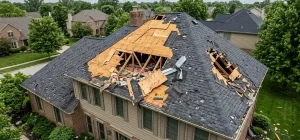
The cause often matters more than the leak itself. Sudden damage may include storm damage, wind damage, hail, falling tree limbs, and sudden roof openings.
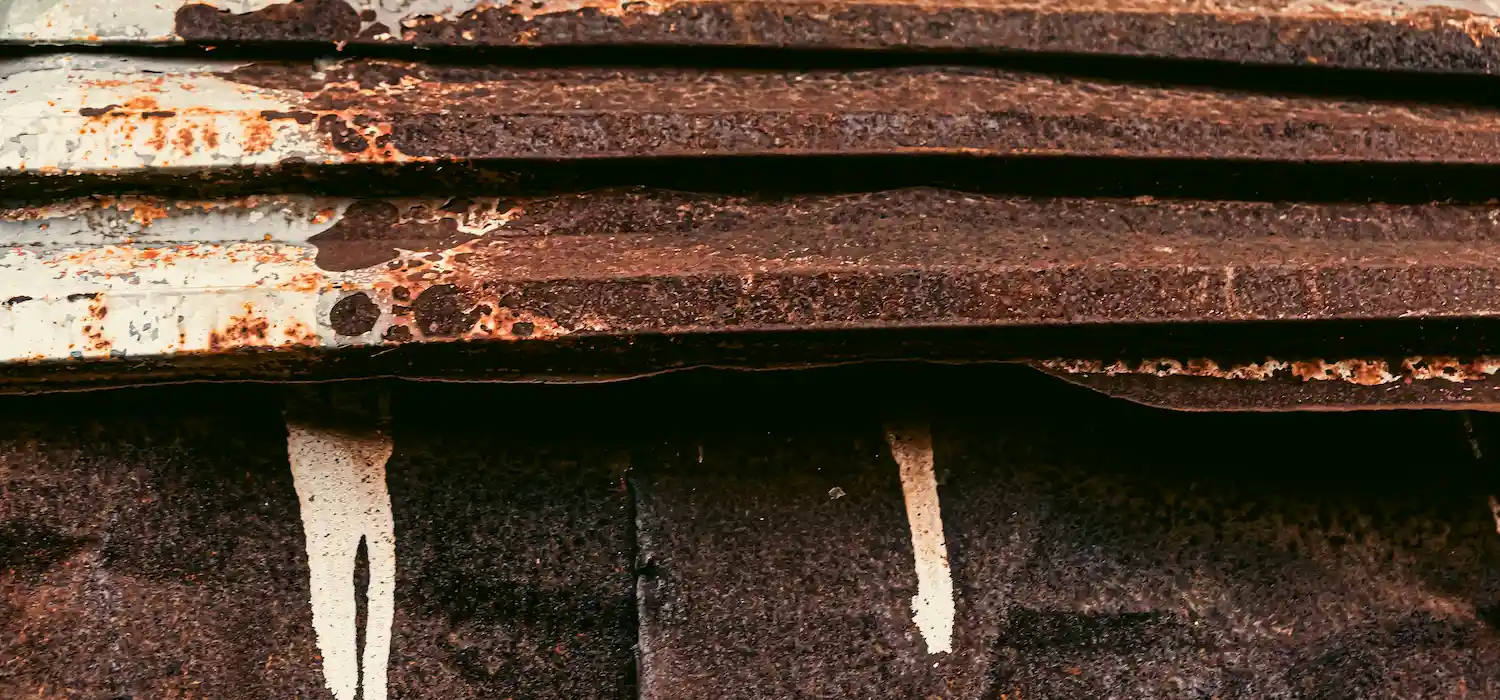
Gradual damage may include old shingles, long-term seepage, rot, poor flashing, and lack of maintenance. Sudden covered damage may have a better chance of qualifying than long-term wear.
Roof Leaks Insurance May Cover
When you ask are roof leaks covered, consider sudden events. Wind may tear off shingles. Hail may damage the roof surface. A tree may damage the roof. A storm may create a sudden opening. A covered event may cause interior water damage.
Policy wording controls the final decision. These events are not always covered. Check your specific policy terms.
Roof Leaks Insurance May Not Cover
When you ask does home insurance cover roof leaks, review common exclusions. Normal wear, poor maintenance, old roofing, rot, mold, long-term leaks, improper installation, pre-existing damage, and cosmetic damage when excluded may not qualify.
The tone stays neutral. Not every denial is unfair. Policy terms control the decision.
Roof Damage vs Interior Water Damage
An insurer may treat these as separate issues. Damage to the roof, water entering the home, damaged ceilings, wet insulation, damaged walls, and personal property damage may receive different treatment.
A worn roof may not qualify for replacement, but a policy may still treat some resulting interior damage differently. This is a general example. Do not make universal coverage claims.
Coverage Comparison Table
This table illustrates damage types and whether it will be covered or not, relating to the seriousness of damage.
Situation | May Be Covered | May Not Be Covered |
Wind damage | Yes, if sudden | No, if gradual wear |
Hail damage | Yes, if sudden | No, if old materials |
Falling tree | Yes, if covered | No, if dead tree |
Old shingles | Rarely | Often excluded |
Long-term leak | Rarely | Often excluded |
Poor maintenance | Rarely | Often excluded |
Interior water damage | Sometimes | If from wear |
Coverage depends on the policy, damage cause, exclusions, deductible, and claim review.
What to Do Right After You Find a Roof Leak
Step 1: Protect People and Property
Move valuables away from water. Use buckets where safe. Avoid unsafe roof access.
Step 2: Stop More Damage
Use temporary protection when safe. A professional tarp may help.
Step 3: Take Photos and Videos
Photograph ceiling stains, roof damage from the ground, fallen shingles, wet areas, and damaged belongings.
Step 4: Keep Receipts
Save receipts for emergency tarps, drying, temporary repairs, and cleanup. Keep this section practical.
How to Handle a Roof Leak Insurance Claim
When you file a roof leak insurance claim, follow a simple process. Review the policy, report the damage, get the claim number, share photos and records, schedule the inspection, get a roofing estimate, and review the insurer’s decision.
Each step stays short. Filing a claim does not guarantee payment.
Should You Call a Roofer or Insurance Company First?
Homeowners may need both. A roofer can inspect visible damage, find roof problems, prepare a repair estimate, and explain repair options.
The insurer can open the claim, review coverage, assign an adjuster, and make the coverage decision. A roofer cannot decide insurance coverage. Not every roofer can negotiate claims.
Can a Roof Leak Lead to Full Replacement?
One roof leak does not automatically mean full replacement. Replacement may depend on the cause of damage, how much of the roof was damaged, policy terms, roof condition, material availability, code requirements, and repair options.
Use how to get insurance to pay for roof replacement when discussing larger claims. The insurer may approve repair, partial replacement, full replacement, or no coverage. Use neutral language.
What If the Claim Gets Denied?
The homeowner should ask for this denial in writing, read the reason behind the denial, study the policy language, collect evidence, ask questions, seek additional review where applicable, and obtain professional advice where needed.
Reasons why the claim may be denied could include wear and tear, insufficient maintenance, delayed notification, excluded damages, lack of evidence, and pre-existing damage.
Common Mistakes That Can Hurt a Roof Leak Claim
Waiting too long to report damage, making permanent repairs before taking photos, losing repair receipts, throwing away damaged materials, guessing the cause of loss, exaggerating damage, ignoring policy deadlines, and failing to stop more damage can hurt your claim.
Use simple sentences. Avoid these mistakes when possible.
Simple Homeowner Decision Guide
Leak after storm?
Document it and check your policy.
Old roof with slow leak?
Coverage may be limited.
Water entering now?
Protect the home first.
Not sure what caused it?
Get a professional inspection.
Claim denied?
Review the written reason before taking the next step.
Keep this section very short and useful.
Conclusion
Roof leak insurance is based on several factors, including whether the reason for damage is sudden and the specifics of the policy. There might be insurance coverage for roof leak caused by an unforeseen accident or event, while general wear and tear is normally not covered by insurance.
Frequently Asked Questions
Does Homeowners Insurance Cover Roof Leaks From Storms?
Sudden covered storm damage may qualify depending on the policy. Check your specific terms and exclusions.
Does Insurance Cover a Roof Leak From Old Shingles?
Wear and aging are often treated differently from sudden damage. Coverage may be limited or excluded.
Does Homeowners Insurance Cover Interior Water Damage?
Interior damage may receive different treatment from the damaged roof itself. Review your policy details.
Should I File a Claim for a Small Roof Leak?
Compare the damage, deductible, policy terms, and repair cost. Small claims may not always make sense.
Can Insurance Pay for a Full Roof Replacement After a Leak?
Full replacement depends on the cause, damage level, policy terms, and insurer review. One leak does not guarantee replacement.