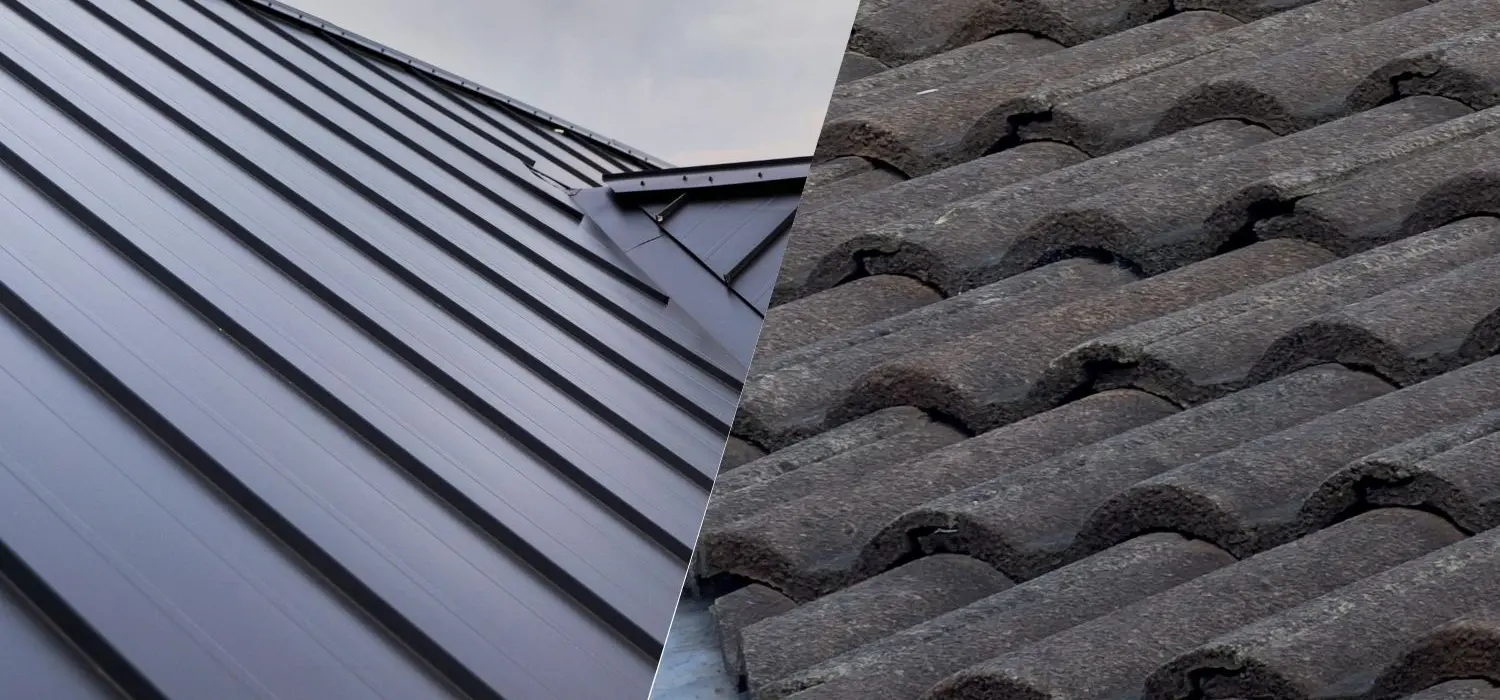
Standing in your driveway looking up at worn, curling shingles, you face a major financial decision. When weighing a metal roof vs shingles for an aging home, paying significantly more upfront for metal paneling can feel like a gamble. Is double or triple the price tag actually worth the investment, or does sticking with familiar asphalt shingles make better practical sense?
The choice between a metal roof and traditional shingles comes down to how long you plan to stay in your home, your local weather, and your available replacement budget. While metal delivers exceptional longevity, asphalt shingles remain popular because they offer reliable protection at a lower initial cost.
Quick Answer: Metal Roof vs. Shingles
Both materials do not have equal advantages and disadvantages. The metal roof lasts longer than the asphalt one. It is more resistant to weather conditions, and needs less maintenance, yet requires more money to be spent on its purchase. The asphalt roof is cheaper at the beginning and involves an easy installation process.
In This Guide
- Lifespan and service life differences
- Upfront installation costs versus long-term financial value
- Weather performance in severe wind, rain, hail, and snow
- Routine maintenance expectations for both options
- Key differences between standing-seam panels and metal roof shingles
- High-level, safe overviews for installing, cutting, and painting metal
- Decision checklist and questions to ask your roofing contractor
Key Takeaways
- Lifespan: Metal roofing systems typically last 40 to 70 years, while standard asphalt shingles last 15 to 30 years.
- Upfront Investment: Asphalt shingles feature a much lower initial cost for materials and labor.
- Long-Term Value: Metal roofing can be more cost-effective over several decades because it avoids repeated replacement cycles.
- Weather Resistance: Metal offers superior defense against high winds, driving rain, and snow shedding.
- Maintenance Needs: Metal requires minimal routine work, while shingles need periodic checks for cracked tabs and loss of protective surface granules.
Which Lasts Longer, Metal Roofing or Shingles?
If it is longevity that is considered alone, without taking any other factor into consideration, metal roofs have a clear advantage over asphalt roofs. A professionally installed metal roofing system would last between 40 and 70 years, depending upon the particular metal alloy, thickness, and coating used. On average, conventional 3-tab asphalt roofs have a lifespan of 15-30 years.
Several critical variables dictate whether either material reaches its full expected lifespan:
- Attic Ventilation: Bad ventilation leads to heat and moisture retention in the attic, leading to rapid deterioration of shingles and condensation under metal roofs.
- Quality of Materials: Premium architectural shingles have better longevity than regular 3-tab shingles, as does heavier standing seam metal roofing than thinner exposed-fastener metal.
- Workmanship of Installation: Good underlay, flashing incorporation, and proper fastening will determine if the roof remains watertight over time.
- Climate Effects: Harsh UV light, freezing and thawing conditions, and storms will wear down any exterior building materials.
Metal Roof vs. Shingles: Cost Difference
The initial cost is the major factor that prevents people from opting for metal. An asphalt shingles roof will be easy to install since it entails low-cost material and relatively easy installation process. The cost of producing metal roof material is higher than that of asphalt, and installing it needs special skills.
However, viewing costs strictly through initial estimates overlooks long-term financial math. Evaluating shingles vs metal roof pricing requires factoring in total lifespan; because one metal roof often outlasts two or three asphalt shingle installations, metal can deliver a lower total cost per year of service for long-term homeowners.
What Changes the Final Roofing Cost?
- Roof Surface Area and Pitch: Steeper slopes and larger square footage require more safety equipment, labor hours, and total material.
- Roof Complexity: Multiple dormers, chimneys, sidewalls, and valleys demand extensive custom trimming and flashing.
- Material Selection: Standard 3-tab shingles represent the baseline cost, while concealed-fastener metal systems sit at the higher end of the price spectrum.
- Tear-off and Disposal: Removing and hauling away old layers of asphalt adds labor fees to your estimate.
- Local Labor Rates: Regional contractor demand and local building code requirements directly impact final quotes.
Paying More Now May Change the Long-Term Math
If you plan to live in your home for 30 or 40 years, investing in a metal roof eliminates the hassle, mess, and rising costs of replacing an asphalt roof twice. Conversely, if you plan to sell your property within five to ten years, an asphalt shingle roof allows you to restore protection while keeping out-of-pocket expenses manageable.
How Do Metal Roofs and Shingles Handle Weather?
These two roof types will offer protection from harsh weather conditions when installed properly, but their physical characteristics react differently to the elements. Metal roofs can slide away precipitation because of their smooth surfaces without accumulating any weight. The asphalt shingles rely on the slope to allow the water to run off using the overlapping pieces and factory-installed adhesives to prevent lift-off by wind.
Weather exposure impacts each material in specific ways:
- High Wind Resistance: The standing seam panels made out of metal do not peel off due to the high wind because they are always connected. High winds may lift or tear off the shingle tabs that may be loose or old in case the adhesive strip gives way.
- Hail and Impact: Hail stones have the ability to cause dents in soft metal such as the aluminum panels, but the steel panels normally cannot be damaged by hailstones. Hailstones remove the mineral coating on the shingles leaving the underlying asphalt mat to degrade.
- Snow and Ice: The snow melts easily from metal roofs without adding too much weight on the roof and does not cause ice damming around the eaves. Snow takes longer time to melt from shingles, thus needs insulation in the attic.
- Heat and Solar Radiation: The modern coatings of metal reflect the radiant heat from the sun. As for the asphalt, it absorbs the heat and totally depends on good attic ventilation.
Your Climate Can Change the Decision
Homes located in wildfire zones, heavy snowfall regions, or dense forests prone to moss and rot derive significant safety and operational benefits from non-combustible, non-porous metal roofing. Mild climates with moderate weather allow high-quality asphalt shingles to perform reliably for their full expected service life.
Which Roof Needs Less Maintenance?
Metal roof maintenance is much easier during its lifetime because metal surfaces do not allow moss, decay, and insect penetration. Metal does not have moss growth or missing tiles as a result of even moderate storms because of these properties. The maintenance of the metal roof includes:
- Clearing valleys of debris
- Maintaining clean gutters
- Checking rubber washers under the exposed fasteners
The maintenance of an asphalt shingle roof needs regular checking to ensure the watertightness of the roof. It includes:
- Lifting of the tabs
- Cracking of the shingles
- Deterioration of the sealant at vent pipes
- Accumulation of granules in the gutters
A Long-Lived Roof Still Needs Good Installation
There is no characteristic of material that can overcome bad installation practices. Even the best metal panels installed using improperly placed screws, insufficient underlayment, or defective valley flashing will start to leak as fast as a roof installed with shingles and bad installation methods.
Can You Paint a Metal Roof?
Yes, you can paint a metal roof, provided the underlying structure remains structurally sound and free of deep structural rust. Homeowners choose to repaint or recoat metal roofs to restore faded factory colors, change their exterior home aesthetic, or apply reflective elastomeric coatings that enhance energy performance.
Proper surface preparation determines whether the new coating adheres successfully:
- Cleaning: Power wash the metal panels thoroughly to strip away chalking residue, airborne dirt, and organic growth.
- Rust Treatment: Wire-brush minor surface oxidation and apply a dedicated rust-inhibiting metal primer.
- Coating Selection: Use high-grade acrylic latex or specialized elastomeric coatings designed specifically for metal roofing panels.
- Manufacturer Compliance: Follow precise temperature and humidity application guidelines to prevent premature peeling or blistering.
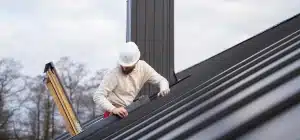
How to Install Metal Roofing
Understanding how to install metal roofing helps homeowners evaluate contractor proposals and ensure their project follows industry standards. Metal installation requires precise layout planning to manage thermal expansion and contraction as temperatures change throughout the year.
- Inspect and Repair the Roof Deck: Examine the underlying plywood or OSB deck, replacing any water-damaged framing or rotted sheets.
- Lay Down Underlayment: Install a high-temperature synthetic underlayment across the entire deck, adding self-adhering ice and water shield along eaves and valleys.
- Mount Drip Edges and Trim: Secure metal drip edges and closure strips along the perimeter to block wind-driven rain and pests.
- Align and Place Panels: Square the first metal panel carefully against the gable edge, ensuring straight tracking across the roof plane.
- Fasten the System: Secure panels using engineered clips or specialized screws fitted with weather-sealing neoprene washers.
- Detail Penetrations and Cap Ridges: Install custom-fit metal flashing around chimneys, sidewalls, and plumbing vents, finishing with a ventilated ridge cap.
How to Cut Metal Roofing
Knowing how to cut metal roofing safely is a required skill for roofing crews fitting panels around hips, valleys, and skylights. Cutting methods must leave clean edges without damaging protective galvanized or painted finishes.
- Recommended Cutting Tools: Electric double-cut shears or hand nibblers slice smoothly through metal without generating excessive heat or throwing hot sparks.
- Tools to Avoid: Abrasive saw blades and angle grinders generate extreme heat that burns away protective factory coatings, causing panel edges to rust prematurely.
- Safety Protocols: Always wear heavy leather gloves, eye protection, and sturdy boots. Metal shavings must be swept off panel surfaces immediately to prevent rust spots.
Metal Roof Shingles vs. Panel Roofing
When comparing options, remember that metal roofing includes more than vertical standing-seam panels. Modular metal roof shingles are stamped to mimic the appearance of traditional asphalt, slate, or cedar shakes while offering the physical strength and durability of steel or aluminum.
- Visual Effect: Metal panels provide a sleek or contemporary look. Metal shingles complement the aesthetics of classic or traditional roofing neighborhoods due to their texture compatibility.
- Mechanics of Installation: Panels are installed in long runs from the eave to the ridge with fewer horizontal joints. Metal shingles are installed in an interlocking pattern on the hip and valley areas.
- Durability: Both panel systems and metal roof shingles resist severe weather, fire, and rot far better than organic or asphalt materials.
Direct Comparison: Metal Roof vs. Shingles
Feature | Asphalt Shingles | Metal Roofing |
Average Lifespan | 15–30 Years | 40–70 Years |
Upfront Cost | Lower initial investment | Higher initial investment |
Installation Complexity | Standard, widely available labor | Specialized tools and trained crews |
Wind Resistance | Good (Up to 110–130 mph) | Exceptional (Up to 140+ mph) |
Fire Rating | Class A (standard assembly) | Class A (non-combustible) |
Maintenance | Regular checks for missing/damaged tabs | Low; periodic inspection of fasteners and trim |
Recyclability | Low (mostly landfill bound) | High (100% recyclable at end of life) |
Spot Repairs | Easy to replace individual shingles | Complex; may require panel removal |
Asphalt shingles offer lower upfront barriers to entry, while metal roofing delivers superior strength, longevity, and environmental sustainability.
Repair and Replacement Considerations
Knowing when to perform minor spot repairs versus committing to a full roof replacement saves money and protects your home’s interior framing from hidden water intrusion.
Look for these distinct warning signs on your roof:
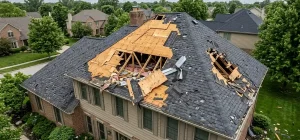
- Warning Signs for Asphalt Shingles: Extensive degradation of the roof’s surface granules, bald patches, cracked and curled tabs, missing shingles following a storm, and interior water stains on ceilings.
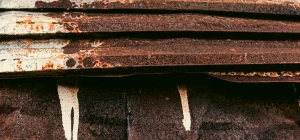
- Warning Signs for Metal Roofs: Screws that have popped out, cracked or deteriorated sealant around flashings, heavy panel damage due to impacts, and rust along the cut edges of surfaces.
- Safety First: Do not attempt to access a damaged or wet roof plane. Conduct inspections from the ground with the help of binoculars or engage a contractor for a hands-on safety inspection.
The Cheapest Roof Is Not Always the Cheapest Over Time
Selecting a contractor strictly based on the lowest initial bid often leads to higher long-term expenses if poor materials or rushed labor fail early. Factor in life-cycle costs, warranty terms, potential energy savings, and maintenance requirements when determining overall value.
How to Choose Between Metal and Shingles
Use these practical scenarios to guide your final choice:
Choose a Metal Roof If:
- You plan to live in your home for 15 to 20 years or longer.
- Your region experiences severe weather like hail, heavy snowfall, high winds, or wildfire risks.
- You prefer low routine maintenance and want to avoid future roof replacements.
- You want a modern architectural look or prefer metal roof shingles that mimic slate or wood shake.
Choose Asphalt Shingles If:
- You need to minimize upfront out-of-pocket installation costs.
- You plan to sell your property in the near future.
- Your local homeowners association mandates traditional shingle aesthetics.
- You want a quick installation process with widely available local labor options.
Common Mistakes to Avoid
- Focusing Only on Initial Quotes: Ignoring lifetime ownership costs can prevent you from seeing the long-term value of durable materials.
- Hiring Inexperienced Installers: Metal roofing requires specialized craftsmanship; hiring unqualified crews leads to flashing leaks and loose fasteners.
- Skipping Deck Repairs: Laying new roofing over damaged, rotted, or sagged decking guarantees premature system failure.
- Ignoring Ventilation: Inadequate attic airflow traps moisture and excess heat beneath both metal and shingle roofs.
- Failing to Compare Warranties: Always review manufacturer material warranties and contractor workmanship guarantees side-by-side.
What Homeowners Should Ask a Roofing Contractor
Before signing a contract or making a deposit, ask prospective contractors these essential questions:
- How long is the experience of your team in putting up this particular roofing system?
- Is your quote going to cover all the demolition, disposal, and roof deck inspection?
- What brand of product, what gauge of metal, underlayment, and trim package do you intend to use?
- How do you deal with custom flashing for chimneys, valleys, and sidewalls?
- Do you offer any written workmanship guarantee aside from the product’s own guarantee?
- Are you licensed, bonded, and insured for roofing work in this municipality?
Appearance Matters More Than You Might Think
Your roof accounts for up to 40% of your home’s exterior curb appeal. Choose material profiles, textures, and colors that complement your home’s architectural style and harmonize with surrounding properties.
Conclusion
Which is better metal or shingles? The answer to this question will completely depend on your financial situation, weather conditions, and the period of time you will stay in your house. Metal roofs are much more durable, they require less maintenance, and they will be much cheaper in the long run for people who stay in their houses for many years. On the other hand, asphalt shingles are quite cheap at first glance, easier to fix, and look good.
Frequently Asked Questions
Is a metal roof better than shingles?
Neither material is universally better. Metal roofs excel in durability, lifespan, and weather performance, making them ideal for long-term homeowners. Asphalt shingles offer lower upfront costs and simple installation, making them a practical choice for tight budgets.
How long does a metal roof last compared with shingles?
A professionally installed metal roof lasts 40 to 70 years, whereas standard asphalt shingle roofs last 15 to 30 years depending on material quality, installation, and local weather conditions.
Are metal roofs more expensive than shingles?
Yes, metal roofing generally costs two to three times more upfront than asphalt shingles due to higher material costs and specialized labor requirements. However, its extended lifespan can make it more cost-effective over several decades.
Can you put metal roofing over shingles?
In many jurisdictions, local building codes permit installing metal roofing over a single layer of existing asphalt shingles using an approved underlayment spacer. However, a complete tear-off is usually recommended to inspect the underlying roof deck for hidden rot or damage.
Can you paint a metal roof?
Yes, you can paint a metal roof using high-grade elastomeric or acrylic latex paints formulated for metal surfaces. The panels must be thoroughly cleaned, dried, and treated for surface rust before applying primer and paint.