When homeowners notice water stains, missing shingles, or storm damage, their first fear is often the price tag of a full replacement. If you are searching for how often to replace roof materials, age is only one part of the answer. A roof may show visible wear after a severe storm or years of harsh weather, but that does not always mean the entire structure is failing.
Understanding the true condition of your roof requires looking beyond its installation date. By evaluating material wear, attic moisture, flashing stability, and overall structural performance, you can make a practical decision. This guide helps you identify key warning signs and determine whether a simple repair or a full replacement makes the most sense.
Quick Answer: How Often Should a Roof Be Replaced?
There is no universal replacement schedule for every home. How often a roof needs replacement depends heavily on its material, local weather, and maintenance history. Standard asphalt shingles often last around 20 years, while metal, tile, and slate can last much longer.
However, age alone should not trigger a complete replacement. Severe storms, poor initial installation, or neglected ventilation can shorten a roof’s life unexpectedly. Conversely, an older roof with limited surface damage may only need targeted repairs. When deciding when to replace roof materials, look at widespread material failure, repeated leaks, and structural firmness alongside its overall age.
How Roof Age Affects Replacement Timing
Understanding how long does a roof last gives homeowners a realistic timeline for planning maintenance. However, every material wears down at a different rate:
- Asphalt Shingles: Typically offer a service life of 15 to 25 years depending on whether they are 3-tab or architectural.
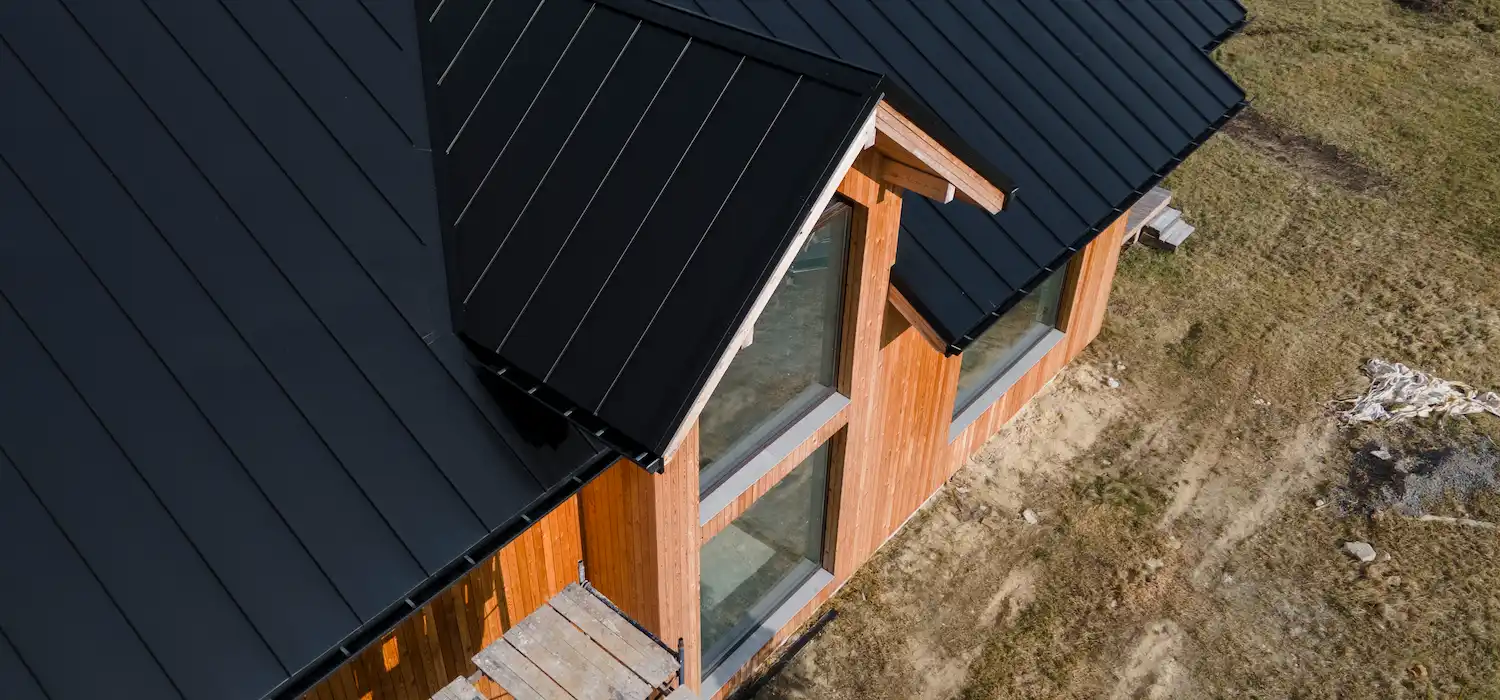
- Metal Roofing: Often lasts 40 to 70 years, though fasteners and seals need periodic checks.
- Clay or Concrete Tile: Can last 50 years or more, though the underlayment beneath them may wear out sooner.
- Natural Slate: Known to last 75 to 100+ years when properly installed.
- Wood Shakes: Generally last 20 to 40 years with diligent routine care.
- Low-Slope / Flat Systems: Usually require evaluation every 10 to 20 years.
Age provides helpful context, but it must be paired with physical evidence of wear, ventilation quality, and storm history.
The 10 Warning Signs You May Need a New Roof
1. Your Roof Is Near the End of Its Expected Life
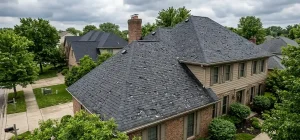
If your asphalt shingle roof is approaching two decades of service, its protective layers are naturally wearing down. While an older roof that looks pristine may not need immediate removal, reaching its expected service range means materials become brittle and more vulnerable to severe weather.
2. Shingles Are Curling, Cracking, or Breaking
Shingles curl in two ways: cupping (edges turn upward) or clawing (centers bulge up while edges stay down). Both curling and surface cracking signal that heat, sunlight, and age have exhausted the shingle’s flexibility. While replacing a few broken shingles is easy, widespread cracking across entire slopes usually warrants a full replacement.
3. Large Areas Have Missing Shingles or Roofing Materials
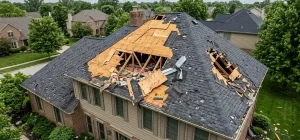
High winds can tear away shingles, unseat metal panels, or snap roof tiles. Missing materials expose the underlayment directly to rain and sunlight. Replacing a handful of blown-off shingles is standard maintenance. If large sections are missing across multiple sides of the house, the remaining fasteners are likely failing as well.
4. Granule Loss Has Created Bald Shingle Areas
Asphalt shingles are coated with mineral granules that shield them from ultraviolet rays. As shingles age, these granules slough off and collect in your gutters. Finding a small amount of granules after installing a new roof is normal, but widespread “bald spots” on older shingles mean the underlying asphalt is exposed and degrading fast.
5. Roof Leaks Keep Returning
An isolated leak around a vent pipe is usually a quick fix. However, if you are constantly patching new leaks in different rooms after every rainfall, water is likely penetrating multiple points in your underlayment. Frequent leaks indicate that the protective barrier across the roof has broken down.
6. The Roofline or Decking Is Sagging
A sagging roofline is a serious structural issue. It often points to rotted roof decking, weakened trusses, or trapped moisture inside the attic framing.
Safety Warning: Never walk on a sagging roof or enter a severely damaged attic. A dipping roofline requires an urgent structural assessment by a qualified professional.
7. Flashing Is Failing in Several Areas
Flashing consists of metal strips installed around chimneys, skylights, valleys, and vent pipes to divert water away from seams. If your flashing is rusted, cracked, or lifting in multiple spots, water can easily seep beneath the roofing materials and rot the surrounding wood.
8. Daylight, Moisture, or Mold Appears in the Attic
Checking your attic on a sunny day can reveal hidden roof problems. If you see streams of daylight poking through the roof boards, water can enter through those same gaps. Look for damp insulation, dark water stains on wood rafters, or a musty odor that indicates mold growth.
9. Storm Damage Affects Several Parts of the Roof
Severe hail can bruise shingles and crack tiles, while straight-line winds can lift material seals across the roof. If storm impact is localized, spot repairs work well. If functional damage spans the entire structure, replacing the system prevents long-term hidden rot.
10. Repairs Are Becoming Frequent or Unreliable
If you are calling a contractor every few months to patch fresh leaks, you may be spending more money on temporary fixes than a new roof is worth. When materials become too brittle to hold new nails or sealant, replacement is the more reliable investment.
Signs of Roof Damage That Need Urgent Attention
Certain signs of roof damage require immediate action to safeguard your family and property:
- Visible dipping or sagging along the main roof ridge
- Active water running near electrical panels, light fixtures, or outlets
- A fallen tree limb resting on the roof structure
- Bulging interior ceiling drywall holding pooling water
- Unstable, falling exterior brickwork near chimney flashing
If you observe these hazards, move your family away from the affected area, avoid touching wet electrical switches, and contact emergency repair services right away.
Material-Specific Replacement Signs
Asphalt Shingles
Look for curling edges, horizontal cracking, exposed fiberglass matting, and heavy granule buildup in gutters.
Metal Roofing
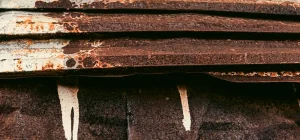
Watch for widespread rust, loose panel fasteners, failed seam sealant, and severe hail denting along overlapping edges.
Tile Roofing
Inspect for broken, chipped, or slipped tiles, as well as failing valley flashing beneath the tiles.
Wood Shakes
Check for deep splits along the grain, moss growth that holds moisture against the wood, and rotting edges.
Slate Roofing
Look for cracked slates, rusting copper nails, and improper previous repairs using asphalt cement.
Roof Age Versus Roof Condition
Age Clue | Condition Evidence |
Roof is 20 years old | Shingles are cracking, curling, and losing granules |
Warranty period is expiring | Multiple active leaks appear after routine storms |
Neighboring homes are re-roofing | Inspection shows dry, firm decking with localized wear |
Surface color looks faded | Fading is cosmetic; materials remain flexible and intact |
Physical condition always carries more weight than age alone when making repair decisions.
Common Mistakes to Avoid
These are some of the most common mistakes that must be avoided.
- Delaying simple repairs until small leaks cause widespread decking rot.
- Climbing onto a steep, wet, or damaged roof without safety gear.
- Choosing a contractor based solely on the lowest price rather than experience and licensing.
- Installing new shingles directly over old, damaged shingles without inspecting the wood deck below.
Conclusion
Determining whether you need a new roof comes down to examining physical evidence rather than panicking over a calendar date. While an aging roof deserves close attention, single leaks or isolated shingle damage can often be repaired quickly and affordably. However, when widespread cracking, granule loss, sagging, or repeated leaks appear across your roof, a complete replacement is the safest way to protect your home. Schedule a professional roof inspection to evaluate your roof’s true condition and choose the best path forward.
Key Takeaways
- Roof age provides general context, but physical condition and material integrity should guide replacement decisions.
- Widespread shingle curling, sagging rooflines, and recurring leaks across multiple rooms signal that a full replacement may be necessary.
- Minor, isolated damage on a structurally sound roof can usually be repaired without replacing the entire system.
Frequently Asked Questions
How often should a roof be replaced?
Most standard asphalt shingle roofs last between 15 and 25 years. However, durable materials like metal, tile, and slate can last anywhere from 40 to over 100 years depending on maintenance and climate.
What are the clearest signs that I need a new roof?
The clearest indicators include widespread shingle curling or cracking, bald spots from granule loss, a sagging roofline, and leaks returning in multiple areas of the house.
Does one roof leak mean I need a replacement?
No. A single leak is often caused by a damaged pipe boot, loose flashing, or a few missing shingles, which can easily be repaired without replacing the whole roof.
Should I replace an old roof if it is not leaking?
If an inspection reveals widespread material failure, rotting decking, or severe storm damage, replacing it proactively prevents expensive interior water damage later.
Can a damaged roof be repaired instead of replaced?
Yes. If the overall roofing material remains flexible, the decking is dry, and the damage is confined to a small section, targeted repairs are usually sufficient.