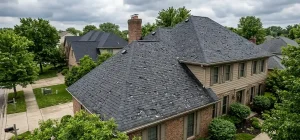
Your roof may look fine from the ground, but years of strong sun and extreme heat can slowly wear down asphalt shingles. The key question is: how long does a shingle roof last when it faces intense heat and UV exposure?
Shingle lifespan depends on material quality, heat, UV exposure, ventilation, installation, and maintenance. If you are also wondering how long does a roof last overall, the answer depends on the roofing material, climate, installation quality, ventilation, and maintenance.
This guide explains realistic expectations for hot climates, the warning signs that matter most, and when repair or replacement may make the most sense.
The Truth About Shingle Lifespan in Extreme Heat
- The Myth: “My 25-year shingle warranty means I don’t have to worry for 25 years.”
- The Reality: Warranties cover material defects, not climate wear and tear. Constant heat, expanding attic temperatures, and relentless UV rays shorten the operational lifespan of any asphalt roof.
Two houses on the same street built in the same year can have completely different roof lifespans. Factors like shingle color, roof pitch, ventilation efficiency, and storm exposure mean your roof has its own unique expiration timeline. Inspect the surface, not the calendar.
Why Hot Climates Can Shorten Shingle Roof Life
There are many ways that hot weather conditions can affect roofing. Exposure to the sun’s ultraviolet rays can slowly deteriorate roofing materials. Also, roof surfaces are often much warmer than outside temperatures.
Heating and cooling processes that take place on a daily basis can cause roof materials to expand and contract, a process known as thermal cycling. Heat can eventually cause some roofing materials to be more fragile and susceptible to breaking.
Asphalt Shingle Lifespan in Hot Weather
Asphalt shingle lifespan can differ from person to person. Factors in a hot climate (strong sun and high surface heat from asphalt that never adequately cools at night) can cause rapid deterioration for the shingles. In addition, asphalt shingle lifetime is determined by the grade of the shingle used, climate, ultraviolet (UV) radiation levels, slope of the roof, ventilation of the attic space, methods used to install the roof and general maintenance.
However, the industry can at times suggest that the best you may achieve in a hot climate might be 15 or so years for an average asphalt shingle roof, and 20 to 30 years in more temperate areas. Remember these figures are just general estimates though not fact or guarantee.
Architectural Shingle Life in Hot Climates
Architectural shingle life tends to be greater compared to that of 3-tab shingles owing to the fact that architectural shingles are more solid, heavy, and constructed with materials.
But heat, lack of ventilation, storm effects, and installation process will affect their lifetime. Despite the fact that architectural shingles are not resistant to heat, they can withstand it better than 3-tab shingles.
Heat Stress Snapshot
Here is a little heat stress snapshot:
- Low Concern: Shingles lie flat, granules remain mostly intact, no active leaks, ventilation works properly.
- Watch Closely: Increasing granule loss, minor curling, surface fading, small cracks.
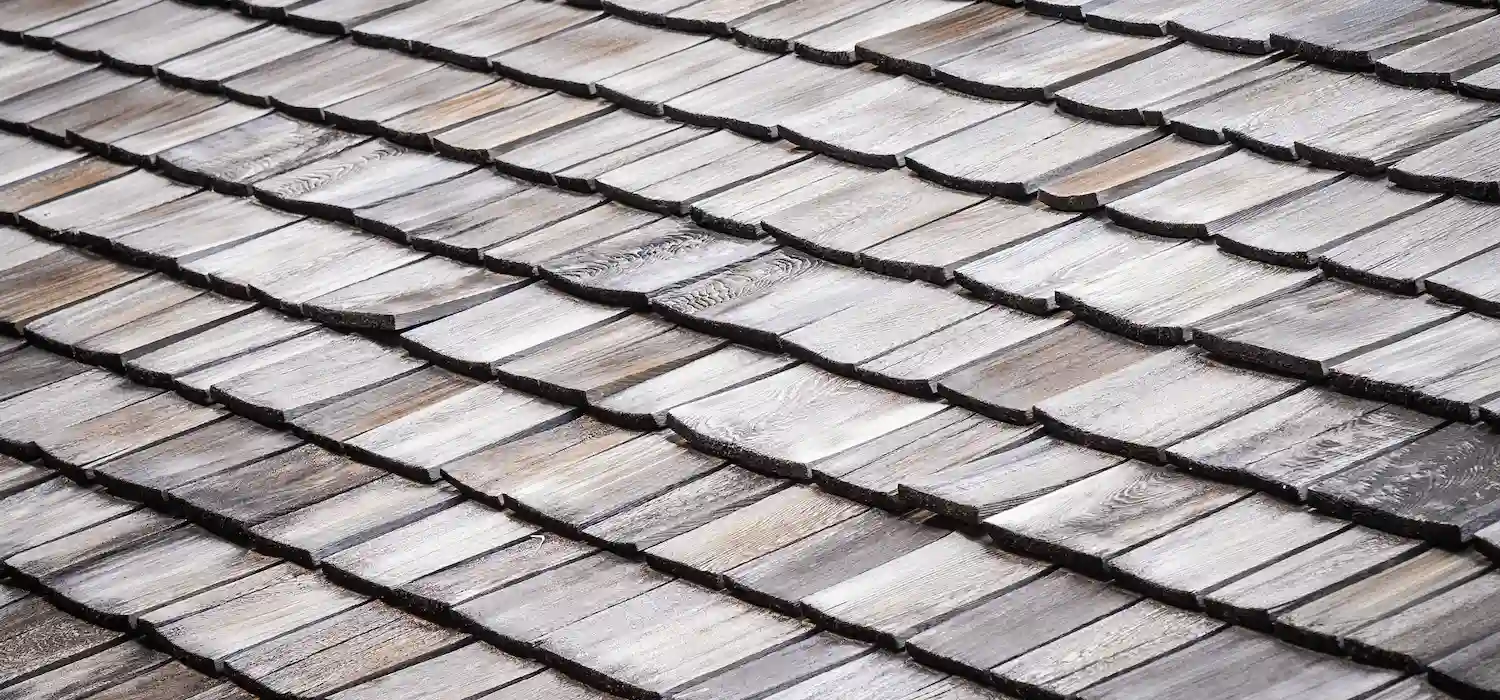
- Higher Concern: Widespread cracking, strong curling, missing shingles, repeated leaks, large bald areas.
Age alone does not tell the full story. Look at condition and performance.
How UV Rays Affect Asphalt Shingles
The effects of sunlight on aging include wearing down of materials, fading of colors, granule loss, and degradation. Granules assist in protecting asphalt shingles from being exposed to sunlight.
Granule loss is sometimes natural, but in some cases, granule loss could require inspection. UV damage does not necessarily cause failure, but it accelerates the aging process.
How Attic Ventilation Affects Roof Lifespan
Inadequate air flow may permit the accumulation of too much heat and humidity in the attic and thereby have an impact on the roof deck, indoor comfort level and the entire roofing system itself.
The right combination of a ventilation system consists of the presence of intake vents and exhaust vents whereby air is allowed to flow through the attic. Ventilation does not assure the life span of the roof.
Does Roof Color Affect Shingle Heat?
Darker roof surfaces might have higher capacity of absorbing solar heat compared to some lighter surfaces. This increases the temperature of the roof. However, performance of the roof is dependent on shingle design, reflectivity, ventilation, insulation, and weather conditions.
Roof durability is not determined by color alone. Some cool roof shingles are designed to be more reflective and therefore minimize solar heat gains.
Hot Climate Roof Factors Table
Here is the table for climate factors that have a possible effect on your roof life.
Factor | Possible Effect on Roof Life |
Strong UV Exposure | Speeds surface aging |
Poor Ventilation | Increases heat buildup |
Low-Quality Shingles | May age faster |
Good Installation | Supports better performance |
Regular Maintenance | Helps catch problems early |
Frequent Storms | May add physical damage |
Signs Heat Is Aging Your Shingles
Granules may collect in gutters or downspouts. Some granule loss can be normal, but heavy or uneven loss may deserve inspection. Shingle edges may begin lifting or curling. Heat and age may contribute to brittle shingles that crack more easily.
Small raised areas, or blisters, may appear on some shingles. Color change alone does not always mean failure, but it can signal surface wear. Repeated leaks may suggest wider roof problems.
When Roof Repair May Still Be Enough
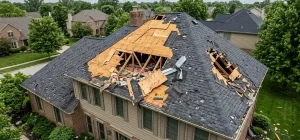
Repair may make sense in situations where there is localized damage, that is temporary, isolated to a particular incident, and is not associated with the overall failure of the roof structure. This can include a case where only a few shingles are damaged, where there is some localized flashing problem or localized damage from storms.
When to Replace a Shingle Roof
The option for replacement could be considered where there is extensive damage, shingles are curled or cracked in many places, granule loss is significant over a large area, leaks persist despite being fixed, there is a need for repairs often, or where different sections of the roof have failed. Age should not necessarily be the only factor to consider.
How Installation Quality Changes Shingle Lifespan
Even a good quality shingle will not give satisfactory results if it is poorly installed. Some of the main aspects of installation that need to be taken care of are good fastening, good flashing, good roof ventilation, underlayment, and the condition of the roof deck. Sometimes, improper installation results in poor performance of the roofing system.
How to Help a Shingle Roof Last Longer in Hot Climates
Ensure that the gutters are not clogged in order for the drainage to be effective. Prune dangerous branches which may cause harm to your roof.
Proper ventilation of the attic will ensure no excess heat is trapped there. Inspect any storm damage following weather incidents. Take care of roof leaks before they spread.
Warranty vs Actual Roof Lifespan
Warranty from the manufacturing company does not imply a guaranteed life span of the system. It could be based on product type, installation, registration, maintenance and defects.
The true life span of a roof would be dependent on practical factors like weather conditions and maintenance. Thirty years warranty does not necessarily mean a roof will last thirty years.
What This Means for Homeowners
Home owners living in areas that experience warm weather should not take the age of a roof into consideration when making evaluations of it. If a roof has not been well-ventilated, then even if it is young, it may be damaged by the heat and require replacement.
Conclusion With Key Takeaways
How long does a shingle roof last depends on many factors, and hot climates can speed aging through UV exposure, heat, and thermal movement. Better materials, proper ventilation, good installation, and regular maintenance can support longer roof performance, but no single lifespan applies to every roof.
- Hot climates can speed shingle aging, but no single lifespan applies to every roof.
- Material quality, ventilation, installation, and maintenance all affect how long shingles last.
- Replace a roof based on condition, repeated problems, and inspection findings, not age alone.
Frequently Asked Questions
How long does a shingle roof last in a hot climate?
It often ranges from 15 to 25 years, but conditions vary. Roof condition matters more than a fixed number.
Does extreme heat shorten asphalt shingle lifespan?
Yes, heat and UV exposure can speed aging. Good ventilation and quality materials help.
How long do architectural shingles last?
They often last longer than basic 3-tab shingles. Heat, installation, and maintenance still matter.
What are the signs that a shingle roof is wearing out?
Look for curling, cracking, heavy granule loss, or leaks. An inspection can confirm the condition.
When should I replace a shingle roof instead of repairing it?
When damage is widespread or leaks keep returning. Repeated repairs may signal system-wide aging.