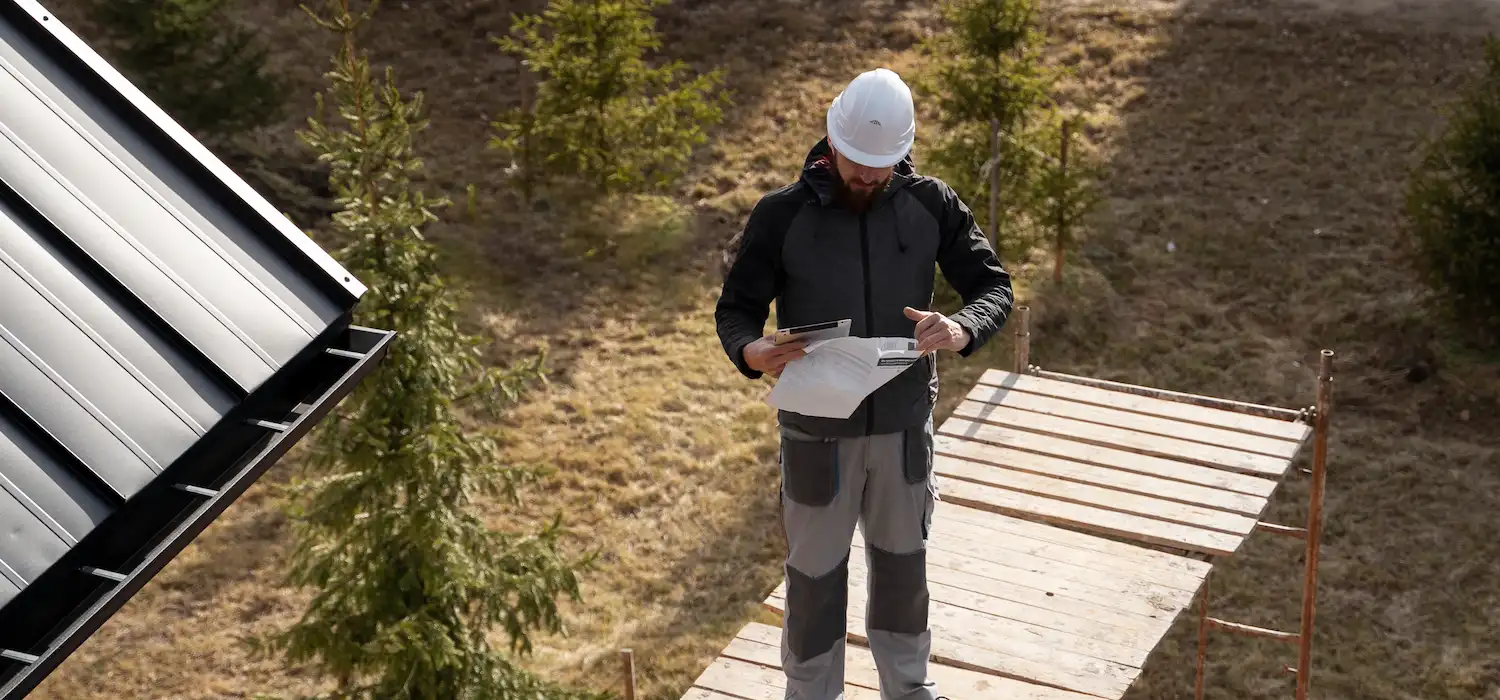
Thinking about installing a metal roof yourself to save money? Before you climb onto the roof, there is one question worth answering: do you really have the tools, skill, and experience to get every panel, seam, and flashing detail right? When weighing a metal roof vs shingles, installation can be the deciding factor.
A metal roof can last for decades, but poor installation can turn that long-term investment into leaks, loose panels, and expensive repairs. This guide breaks down how to install metal roofing, what the job involves, and when hiring a contractor is the smarter choice.
Some experienced homeowners may be able to install certain metal roofing systems on simple, low-risk projects. However, metal roofing requires accurate measuring, cutting, fastening, flashing, panel handling, and roof-safety knowledge. Roof height, pitch, complexity, tools, local requirements, and the specific system all affect whether DIY installation is practical.
How to Install a Metal Roof
To learn how to install a metal roof, begin with this: There is a specific technique for each kind of panel, and one must adhere to the manufacturer’s guidelines. Standing seam, exposed fastener panels, and metal shingles have different installation techniques.
A proper installation begins with a good roof deck, proper water control details, and good planning. The panels that will be visible are installed last.
- Inspect and prepare the roof deck. The deck should be dry, secure, and free of damaged areas. A new roof covering cannot correct rotten decking, weak framing, or unresolved moisture problems.
- Remove old roofing when needed. Some projects require tear-off. Others may allow installation over an existing roof if the system, building rules, and roof condition permit it. A contractor should assess this before work starts.
- Install underlayment and related components. Underlayment provides an added layer beneath the panels. The required type and placement vary by climate, roof design, and the roofing manufacturer’s system.
- Install roof-edge and flashing details. Drip edge, valley flashing, wall flashing, and penetration flashing help guide water away from the roof deck. These parts are as important as the panels.
- Measure and place metal panels. Panels must be laid out square to the roof edge. Small alignment errors at the first panel can become obvious and harder to correct across the roof.
- Secure panels with the required system. Some systems use exposed screws. Others use clips or concealed fastening methods. Fastener type, spacing, and placement should follow the product instructions.
- Complete seams, valleys, penetrations, and trim. Ridge caps, gable trim, closures, pipe boots, and other details finish the system and protect vulnerable areas.
- Inspect the completed roof. The final review should check panel alignment, fasteners, flashing, seams, trim, drainage paths, and cleanup.
What Does a Metal Roof Installation Guide Include?
A good metal roof installation guide should cover more than just placing panels. It should explain how each part helps keep water out and protect the roof.
Before starting, check:
- Roof measurements and panel layout
- Underlayment and flashing
- Correct fasteners and trim
- Vents, edges, and roof openings
- Seams and final inspection
- Manufacturer’s installation instructions
Metal expands and contracts with temperature changes, so the roof must allow for this movement. Following the product’s instructions helps prevent leaks, loose fasteners, and other problems.
Metal Panels Are Not the Whole Roof System
The metal roof is more than just a collection of panels. It consists of the deck, the underlayment, the flashing, the closures, the trim, the fasteners, the ventilation details, and the drainage details.
A roofer that only mentions panel color and gauge does not provide sufficient detail to enable a meaningful comparison between estimates.
How Does Standing Seam Installation Work?
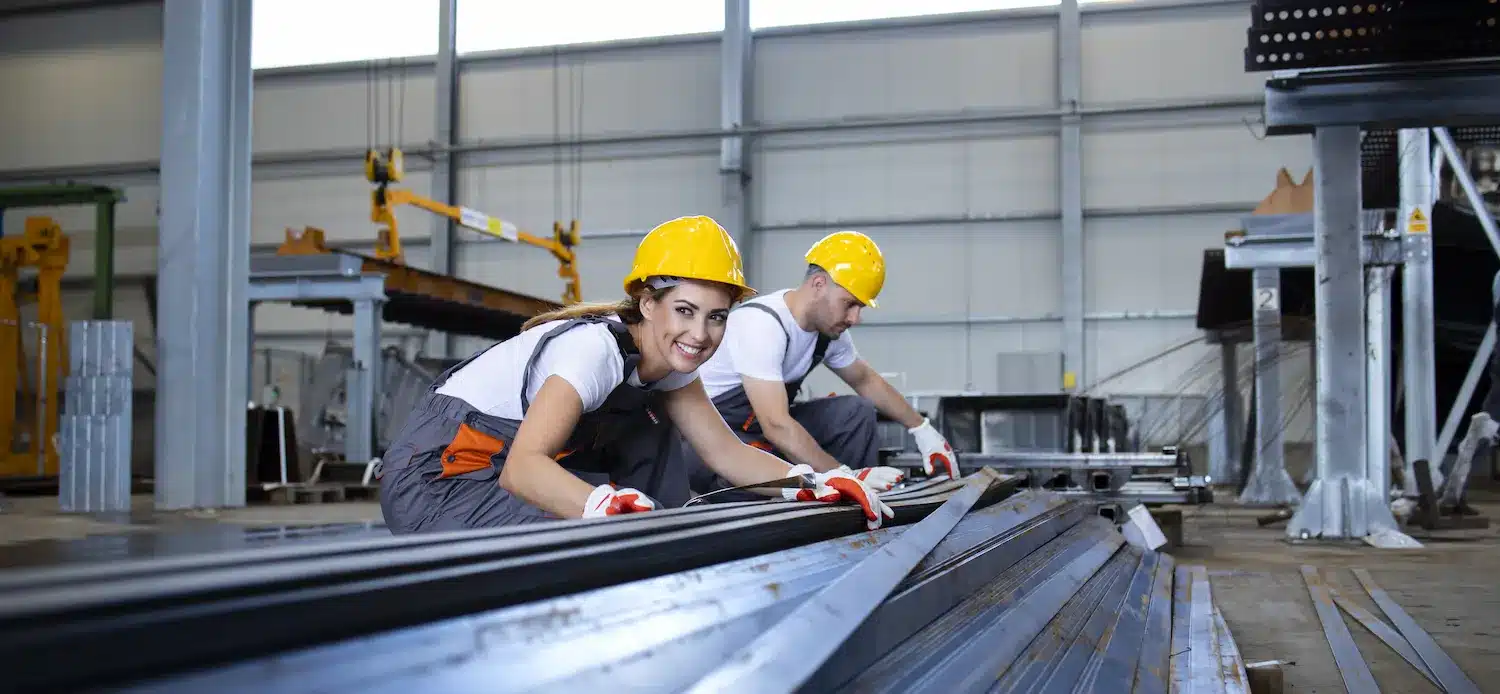
Standing seam metal roofing makes use of long panels, made from metal, with seams raised for joining the panels. Most standing seam roofs employ hidden clip technology, thus leaving very few fasteners exposed on the roof.
Careful installation is required. The panels should be installed in proper alignment, with space left for expansion and contraction, as well as having their seams and flashings properly done. Mistakes made during installation could cause leakage and other roof problems.
One Small Mistake Can Cause a Big Leak
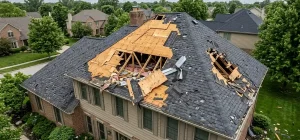
Usually, most roof leaks occur at areas other than the center of a metal panel. Roof leaks occur at areas such as chimneys, valleys, vent pipes, connections to walls, fasteners, and roof edges.
It is for this reason that flashing details should be as important as metal panels. Attractive metal panels cannot make up for poor flashing details.
Metal Roof vs. Shingles: Does Installation Differ?
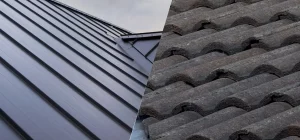
Yes. Metal roof vs shingles installation is different. Shingles are placed in overlapping rows, while metal roofing uses panels or metal shingles with special fasteners, seams, clips, and trim.
Shingles are easier to carry and handle. Metal panels can be long, sharp, and hard to control in wind. Both need underlayment and flashing, but metal roofs also need careful attention to seams and panel movement.
Comparison point | DIY metal roof installation | Hiring a professional |
Experience needed | Strong roofing, measuring, and flashing knowledge | Crew brings roofing-system experience |
Safety risk | Homeowner manages fall and cutting hazards | Contractor should use trained safety practices |
Tools | May require specialty cutting, fastening, and handling tools | Tools and equipment are typically part of the crew’s setup |
Time | Can take longer while learning and correcting errors | Often faster with an organized crew |
Complex roofs | Difficult around valleys, dormers, and penetrations | Better suited to detailed roof layouts |
Quality control | Depends fully on homeowner skill and instructions | Depends on contractor skill and supervision |
Warranty concerns | Errors may affect manufacturer requirements | Ask how installation meets product requirements |
Cost considerations | May reduce labor costs but add tool and error risk | Higher labor cost, but broader project support |
The better choice depends on the project. A small detached structure is not the same as a large, steep home with several roof lines. Compare the real workload rather than assuming all metal roofing is equally difficult.
The Roof Shape Changes the Job
The flat runs on a simple gable roof are long and straightforward. Valleys, dormers, skylights, multi-level roofs, and wall junctions mean a lot of cutting, flashing, and detailing work is needed.
As there are more roof details, even a tiny mistake made during installation will have an impact on the whole roof system. More complex roofs should be installed by experts.
What Tools Are Needed to Install Metal Roofing?
The tools you need depend on the metal roofing system. Always check the manufacturer’s instructions before buying tools or materials.
Common tools and materials include:
- Measuring and layout tools
- Approved metal-cutting tools
- Drill or fastening tools
- Proper fasteners, clips, and sealants
- Underlayment, flashing, and trim
- Metal panels or metal shingles
- Gloves, eye protection, and safety gear
- Safe surfaces for storing and cutting materials
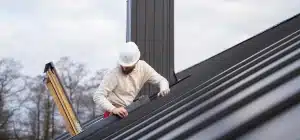
Metal panels have sharp edges, and roof work has serious fall risks. Use proper safety equipment and never work on a roof without a safe plan.
When Should You Hire a Roofing Contractor?
Hire a roofing contractor if your roof is steep, high, complex, damaged, or hard to reach. Professional help is also better for major repairs or tricky areas.
Before hiring, check:
- Local license requirements
- Insurance coverage
- References and past work
- Written work details
- Roofing materials and product specs
- Warranty terms
- Project timeline
- Total cost
- Who will do the work
- Cleanup and extra repair plans
What Affects Metal Roof Installation Cost?
The cost of metal roof installation depends on the size of the roof, roof pitch, complexity of the roof, style of the panels, type of metal, labor, tear-off, underlayment, flashing, trim, repairs, and accessibility to the roof area.
For instance, a flat and accessible roof could require less labor compared to a roof with steep pitch with numerous valleys and penetrations. It is advisable to request a thorough quotation broken down into various categories.
What Should You Ask Before Hiring a Contractor?
Ask these questions before you sign:
- What metal roofing system do you recommend, and why?
- How will the panels attach to the roof deck?
- What underlayment, flashing, trim, and closures are included?
- How will you handle valleys, vents, chimneys, and skylights?
- What fasteners or clips does the system require?
- Does the estimate include tear-off, disposal, and deck repairs?
- What warranty terms apply to materials and workmanship?
- What could change the project price?
- How long should the project take?
- Who handles permits where required?
Conclusion
The skills needed for installing metal roofs are what allow people to know that there is more to it than just putting up panels on top of a roof. While experienced homeowners may be able to undertake simple installations, complicated and difficult roofs need to be done by professionals.
An installation is something that must be considered when doing a comparison between metal roof vs shingles. It could really make all the difference.