
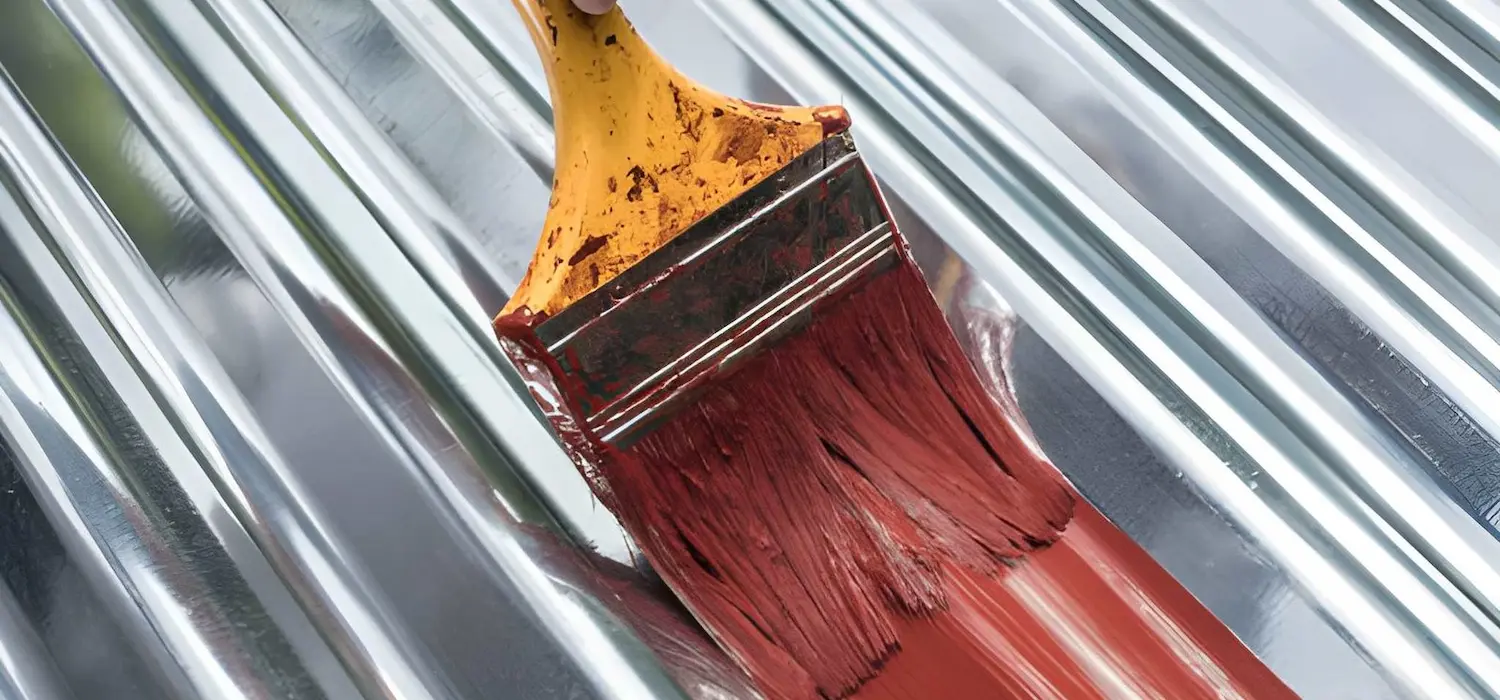
Can you paint a metal roof? Yes, you usually can. Painting metal roofing can refresh its appearance, protect prepared metal, and help extend the roof’s service life. However, paint will not fix active leaks, severe rust, loose panels, or structural damage.
The result depends on the roof’s condition, surface preparation, weather, and paint choice. This guide explains which metal roof paint works best, how to paint a metal roof, and when another solution may be better.
Yes, you can paint a metal roof if the panels are sound and the surface is clean, dry, and properly prepared. Use a coating made for exterior metal roofing, along with the correct primer when needed. Do not paint over active leaks, heavy corrosion, or failing panels.
When Should You Paint a Metal Roof?
Painting becomes appropriate where the roof still has remaining useful service life and the metal panels are in good condition.
Painting should be considered where:
- The old paint job has lost its integrity due to fading and chalking.
- There is light surface rust on the roof which can be treated.
- The old paint job is deteriorated but remains intact.
- A color change of the roof is desired.
- The roof panels are in good condition but require additional protection against the elements.
- The roof is undergoing maintenance activities.
Painting is not always the solution. In cases where there are numerous leaks and extensive corrosion on the roof or where there are extensively damaged panels on the roof, repairs or replacements may be more cost effective.
Good to Know: Paint can protect a sound metal roof, but it cannot restore metal that has already lost its strength.
What Is the Best Paint for a Metal Roof?
The best metal roof paint depends on the roof material, existing finish, climate, and condition. Always read the product label and technical data sheet before choosing a coating.
Common options include:
Acrylic roof paint
Acrylic coatings are water-based products made for exterior use. They can provide color retention and weather resistance when applied to a properly prepared surface.
Many acrylic products work well for common metal roof applications. Check that the product specifically allows use on your roof type.
Elastomeric coating
Elastomeric coatings create a flexible layer on top of the roof. They can be useful in dealing with minor surface flaws and thermal expansion.
However, they cannot remedy the problems associated with broken panels and serious roof leaks. The roof needs to be repaired and prepped first.
Direct-to-metal coatings
There are products which have been created for direct application onto prepped metal. Others, however, need a primer to be used. The appropriate choice will depend on whether the roof is made from steel, aluminum, galvanized metal or factory-coated metal.
It is not wise to assume that any particular product can be used on all surfaces. Galvanized metal roofs may even need to be cleaned or weathered before application.
House paint should be avoided unless the manufacturer says it is suitable for the metal roof.
How to Prepare a Metal Roof for Painting
The success of the coating is usually dependent on preparation. According to coating recommendations offered by Sherwin-Williams, inadequate surface preparation is a common cause of failure of coatings.
1. Inspect the roof
Look for leaks, loose screws, open seams, damaged flashing, dents, rust, and loose panels. Check the attic or ceiling for signs of water entry.
Fix roof problems before painting. A coating should protect a sound surface, not hide serious damage.
2. Remove dirt and loose material
Scrape off dirt, leaves, mold, chalk, oil stains, and old peeling paint.
- Flush the roof thoroughly with water.
- Wait until the roof is totally dry before applying any primer or paint.
Do not pressure wash the roof. The high pressure will remove any existing coatings, allow water to seep into seams, and deteriorate problem areas.
3. Treat rust
Loose rust can be removed using the technique specified by the coating manufacturer. The bare metal surfaces require application of rust inhibitive primer as soon as possible following cleaning.
Severe corrosion may necessitate replacing the panels. Do not cover any rust that has damaged the metal surface.
4. Prepare galvanized metal
Uncoated or processed galvanized steel can have poor paint adhesion. Some guidelines suggest letting galvanized materials weather prior to applying paint. Other systems employ cleaning and a special primer.
Read all directions that apply to your particular product. Try painting a small section if you are unsure about adhesion.
5. Repair seams and fasteners
Install new screws or appropriate screws that have been damaged. Do not crush the washers while tightening out screws.
Seal openings at seams, openings, and flashing details with an appropriate roofing sealant. Do not paint until cured.
Before You Start: Never use paint to hide a leak. Find and repair the source first.
How to Paint a Metal Roof
Follow these steps after completing roof repairs and surface preparation.
Step 1: Check the weather
Choose a time when it is neither too wet nor too warm. Do not paint when there is the prospect of rain, high humidity, or condensation. The roof itself will be much warmer than the air around it. Remember to check the temperature requirements for the paint coating.
Step 2: Protect nearby areas
Cover walls, plants, vehicles, skylights, vents, and outdoor equipment. Keep paint away from areas where it could block drainage.
Set up safe access before beginning. Metal roofs can become slippery during cleaning and painting.
Step 3: Apply primer
Apply the primer specified for the roofing material and desired topcoat to bare metal, treated rusted surfaces, and any areas requiring additional adhesion.
Do not combine products from different systems without manufacturer’s approval for such a combination. Let the primer dry for the specified time period.
Step 4: Apply the first coat
Use a roller, brush, or approved sprayer. Work in manageable sections and keep the coating even.
Do not apply a very thick coat to finish faster. Thick or uneven layers may dry poorly and peel later.
Step 5: Add the final coat
The application of the second layer should be done after the first layer is properly dried before recoating. Consider the coverage rate and drying time of the product.
Check for any areas that are not thick enough, missed seams, runs, and exposure to the metal on the completed roof. The roof should be kept dry until the coating cures.
Common Metal Roof Painting Mistakes
Avoid these problems when painting metal roofing:
- Painting over dirt, chalk, grease, or loose paint.
- Applying paint over active leaks.
- Skipping primer on bare or galvanized metal.
- Using ordinary interior or house paint.
- Painting over heavy rust or weak metal.
- Applying coatings in rain or extreme heat.
- Walking carelessly on the panels.
- Applying one heavy coat instead of the recommended coats.
- Mixing incompatible primer and topcoat products.
- Ignoring the manufacturer’s safety instructions.
The wrong product can peel, blister, fade, or trap moisture against the metal. Proper preparation takes time, but it helps prevent early coating failure.
How Often Should a Metal Roof Be Repainted?
Every metal roof does not have one repaint schedule. The schedule will depend on the type of paint used, sunlight exposure, weather conditions, material of the roof and quality of the initial application.
Check the finish during routine inspection of the roof for signs of fading, chalking, flaking, rusting or bare metal. Repaint before the finish gets to be in poor condition although the panels are in good condition. This will reduce the amount of preparation required.
Should You Paint, Repair, or Replace?
Paint the roof when the panels are sound and the main need involves surface protection or appearance.
Repair the roof when damage affects limited areas. This may include leaks near fasteners, damaged flashing, open seams, or a few corroded sections.
Consider replacement when the roof has:
- Widespread rust or corrosion.
- Many active leaks.
- Severely damaged or warped panels.
- Repeated repair needs.
- Structural or deck damage.
- A coating that cannot bond to the failing surface.
If you are comparing long-term roofing choices, link to your guide on metal roof vs shingles. That article can explain how the two materials differ in cost, upkeep, appearance, and service life.
Key Takeaway: Paint is a maintenance step. It is not a substitute for roof repair or replacement.
When Should You Hire a Professional?
Professional services become relevant when dealing with a steep, high, inaccessible, or highly rusted roof. Roof repairs also pose risks of falling off, particularly when the panels have been washed with water or the cleaning solution.
Contact the services of a roofing professional when you are not able to examine your roof or determine the type of metal used. A professional can examine the panels, fasteners, flashing, seams, and existing coating.
Ask for a written plan that explains:
- Required repairs.
- Cleaning and preparation methods.
- Primer and coating types.
- Number of coats.
- Expected drying time.
- Safety steps.
- Areas excluded from the work.
A careful inspection can prevent you from paying for paint when the roof needs more serious work.
Bottom Line
Painting a metal roof is possible only if the panels are in good condition and the surface has been properly treated. Select a paint that is intended to be applied to that kind of metal, take care of rust problems, plug any leaks, and follow the manufacturer’s recommendations. Painting a metal roof may give a good result and improve its appearance; however, it cannot fix any structural problems.
Frequently Asked Questions
Can you paint an old metal roof?
Yes, if the panels remain structurally sound and the old coating can be cleaned and prepared. Remove loose paint and rust, repair leaks, and use a compatible primer and topcoat.
What happens if you paint over rust?
The coating may peel or fail quickly, and hidden corrosion may continue below it. Remove loose rust and prime the cleaned metal. Replace panels when corrosion has weakened them.
Is roof coating different from roof paint?
Yes. Roof coatings often create a thicker, more flexible layer than standard paint. The terms can overlap, so check the product label for approved uses, preparation steps, and application limits.
Can you paint a galvanized metal roof?
Yes, but galvanized metal may need special cleaning or a bonding primer. Follow the coating manufacturer’s instructions and test adhesion before covering the whole roof.
Should you paint or replace a metal roof?
Paint a roof with sound panels and limited surface wear. Consider repair or replacement when the roof has widespread corrosion, repeated leaks, or damaged panels.